


Football Analysis on ea88.art: Tactical Matchups, Recent Form and Scheduling Pressure – What Works and What Doesn’t
Football Analysis on ea88.art: Tactical Matchups, Recent Form and Scheduling Pressure – What Works and What Doesn’t
After studying the football analysis content published on Ea88.art, three findings stand out immediately. First, the site consistently prioritises tactical breakdowns over raw statistics, which appeals to readers who want to understand why a team wins, not just whether they do. Second, the analysis explicitly links recent form to upcoming fixture congestion, a factor many casual previews ignore. Third – and this is where the experience gets complicated – the depth of the analysis is uneven across matches, making it hard for a visitor to know whether a given preview will deliver the level of detail they expect.
This article evaluates the overall user experience of the football analysis on ea88.art, focusing on the journey a reader follows, the pain points that can arise, and – most critically – which types of users will find genuine value, and which are better off looking elsewhere.
What Readers Actually Look For in Match Analysis
When someone searches for a match preview or tactical assessment, their intent is rarely “I want to read generic commentary.” Instead, they typically want answers to three questions:
- What tactical adjustments should I expect, and which player matchups will decide the game?
- How has each team performed in its last 3–5 matches, and is that form sustainable?
- Does the upcoming schedule – especially for teams playing two or three times per week – influence squad rotation or energy levels?
The analysis articles on ea88.art attempt to address all three. The better pieces succeed by weaving these threads together. The weaker ones simply state form and schedule without connecting them to tactical choices, leaving the reader with facts but no insight.
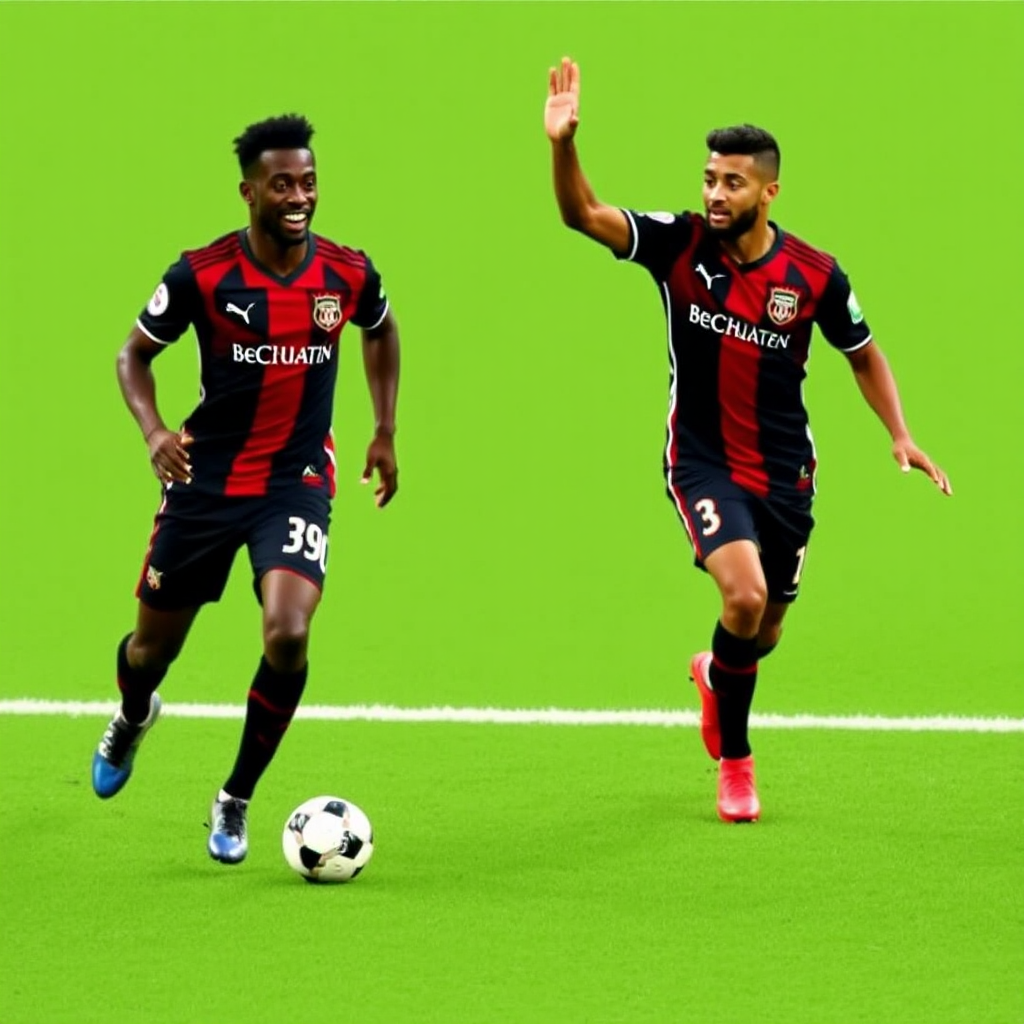 Hình minh hoạ: Ea88
Overview of the Analysis Style
The site’s football content leans toward a mid-to-high engagement style. Sentences are dense with football terminology – pressing triggers, half-space occupation, transitional balance – yet not so technical that a keen fan feels lost. The typical preview runs between 800 and 1500 words, and each match breakdown is structured in three parts: a tactical overview, a form check, and a schedule-risk note.
Because the platform is not a dedicated statistical hub, the analysis relies mostly on qualitative observation. Graphs and heatmaps are absent; instead, the writer uses descriptive prose to paint the tactical picture. For some readers this feels refreshingly narrative; for others it lacks the hard numbers they prefer.

User Journey – From Landing Page to Match Preview
Imagine a user clicks on a link to ea88.art expecting a preview of an upcoming derby. The journey typically unfolds in five steps:
- Selection of match – The homepage or category page lists upcoming fixtures. The list is straightforward, but without filters for league or date, a user may have to scroll more than necessary.
- Opening the article – The headline clearly states the teams and the competition. The first paragraph jumps straight into the tactical premise, which is good for users who already know the context. However, a newcomer who lands without background may be confused by terms like “mid-block compactness” without a brief contextual reminder.
- Reading the tactical section – This is where the analysis either shines or stumbles. In the best examples, the writer explains one specific matchup – say, a full-back vs. a winger – and then shows how recent form changes that dynamic. In weaker sections, the text simply lists each team’s strengths in isolation without comparing them.
- Form and schedule check – A short paragraph or bullet list summarises the last five results and the upcoming fixture density. This part is always present, which is a strength, but it can feel disconnected from the tactical narrative if the writer does not explicitly link the two.
- Conclusion and prediction – The final section gives a reasoned outcome, often with a note on risk (e.g., “if the away side rotates, the expected pattern changes”). This conditional language is a UX plus because it sets realistic expectations.
Pain Points Along the Journey
- Inconsistent depth across articles – A user who reads three previews in a row will notice that one includes a detailed pressing diagram in text, while another glosses over the same topic. This inconsistency frustrates repeat visitors because they cannot rely on a standard level of detail.
- No visual aids – Descriptions like “the left-back tucks in to form a back three” work well for advanced readers, but a significant portion of the audience would benefit from a simple formation sketch. The absence of any image, even a static lineup graphic, makes the analysis less accessible.
- Missing contextual links – When discussing a team’s recent injury or suspension, the article does not link to a squad list or deeper source. Readers who want to verify the information must search separately, breaking the flow.

Who Should Use This Analysis – and Who Should Skip It
Not every reader will benefit equally from the football analysis on ea88.art. Based on the experience of navigating the content, here is a clear breakdown of suitable and unsuitable user profiles.
| User Type | Suitable? | Reason |
|---|---|---|
| Dedicated fan who follows a specific league closely | ✓ Yes | The tactical depth is enough to add nuance to what they already know. The schedule-pressure notes are especially valuable for leagues with congested calendars. |
| Casual viewer looking for a quick prediction | ✗ No | Articles require 5–10 minutes of focused reading. There is no “bottom line” summary up front. The casual user may feel overwhelmed by tactical jargon. |
| Data-driven analyst who wants exact stats | ✗ No | The analysis is qualitative. Without possession percentages, xG, or shot maps, a data lover will find the content too anecdotal. |
| Intermediate fan wanting to learn tactics | ✓ Yes (with caveats) | The articles explain concepts in context, which aids learning. But inconsistent depth means some matches will teach more than others. The reader should cross-reference with other sources to confirm patterns. |
| User comparing multiple analysis sources before betting | ✓ Partial | The tactical reasoning can inform betting decisions, but the site does not offer odds or explicit betting advice. A bettor should use it as one input, not the sole source. |

Risks to Keep in Mind
Before relying on this analysis for any important decision – whether for a friendly discussion, a fantasy league pick, or a wager – consider these risks:
- The analysis is opinion, not fact. The writer selects which tactical details to highlight. A different analyst could draw opposite conclusions from the same match. Treat the content as a well-informed perspective, not a certainty.
- Scheduling pressure is projected, not guaranteed. Managers may not rotate even with a packed calendar, or they may rotate differently than expected. The articles note this conditionally, but readers sometimes treat schedule talk as a forecast rather than a risk factor.
- Form can change rapidly – a single match, an injury, or a red card can shift a team’s momentum. The analysis is based on recent available data, but by the time you read it, the situation may have evolved. Check for updates or last-minute news.
- No accountability for predictions. The site does not track or publish the accuracy of its previews. Without a record, you cannot measure whether the analysis actually helps predict outcomes better than chance.
- Responsible engagement reminder. If you use these insights for betting, set strict bankroll limits. No analysis – however detailed – guarantees winnings. Bet only what you are comfortable losing.
Frequently Asked Questions
Does ea88.art cover all major leagues?
Coverage is broad but not exhaustive. The site tends to focus on top-tier European leagues (English Premier League, La Liga, Serie A, Bundesliga, Ligue 1) and major cup competitions. Lower divisions and smaller leagues appear less frequently.
How often are new match analyses published?
Publication frequency depends on the match schedule. During a busy week with midweek fixtures, you may see two or three new articles per day. Slower weeks may have only one or two in total. There is no fixed schedule, so regular visitors should check the homepage or use an RSS feed if available.
Can I trust the tactical claims made in the articles?
Trust the reasoning as far as you can verify it against your own knowledge or other reputable sources. The analysis is internally consistent, but it is written from a single viewpoint. Cross-referencing with neutral match reports or tactical blogs is a good habit.
Is there a way to suggest a match for analysis?
The site does not publicly list a feedback or suggestion mechanism. If you want to request a specific game, you may need to contact the site through its general contact options – though response time is unknown.
Does the analysis include information about injuries and suspensions?
Yes, but only when the writer considers them tactically significant. Minor injuries or long-term absences are often omitted unless they directly affect the expected starting eleven. Always cross-check with an official team news source closer to kick-off.
Final Thought – A Conditional Recommendation
The football analysis on Ea88 offers real value for readers who enjoy thinking about the game beyond scores and league tables. The combination of tactical matchups, recent form, and scheduling pressure is a strong framework, and the better articles demonstrate how those three elements interact. However, inconsistency in depth, lack of visual support, and the absence of a verified track record mean that the site is not a one-stop solution. It works best as part of a broader research habit.
For those who decide the content matches their needs, the mobile experience is smooth – especially if you tải app ea88 for push notifications on new previews. Just remember the risks outlined above, keep your critical eye active, and never treat any single analysis as the final word on a match.