Sporting Lisbon Continues Strong Form in Europe as Campaign Gains Momentum
Sporting Lisbon Continues Strong Form in Europe as Campaign Gains Momentum
Editorial Update: October 24, 2024 | 14:30 CET | Verified Sources Cross-Checked
The morning mist still clung to the training pitch as the first wave of pre-season conditioning drills gave way to structured possession circuits. Players moved through tight rondo patterns, communicating constantly, while coaching staff marked off zones on clipboards. By late afternoon, the same group had transitioned into low-block defensive simulations before finishing with high-intensity transitional exercises. This deliberate, unhurried preparation mirrors what has become a defining characteristic of their recent European performances: controlled intensity paired with disciplined structural integrity. Rather than chasing open space recklessly, the squad has established a rhythm of measured pressure, compact midfield coverage, and swift vertical progression when opportunities arise.
Latest Developments From the European Frontline
Recent competitive outings across continental tournaments have underscored a consistent pattern of resilience and tactical adaptability. Matches against varying playing styles have highlighted how the team adjusts its pressing thresholds based on opponent positioning. When facing teams that attempt to build from deep, the front line applies targeted triggers rather than blanket chasing, forcing turnovers in predictable zones. Against more direct sides, the back four shifts into a mid-block configuration, cutting passing lanes between the lines while wingers track deeper runs. These adjustments have translated into sustained periods of control without requiring excessive physical expenditure.
The managerial setup continues to prioritize positional flexibility. Full-backs occasionally tuck into central areas during buildup phases, creating numerical advantages in midfield triangles. Wide forwards invert or peel wide depending on defensive markers, preventing predictable crossing patterns. Goalkeepers have been integrated into short-passing sequences, reducing long-ball dependency and encouraging quicker ball circulation under pressure. Such systemic coherence explains why recent European fixtures have frequently featured manageable concession rates alongside clinical finishing windows. The consistency does not rely on isolated moments of brilliance but rather on repeatable structural execution.
 Hình minh hoạ: tg88
Historical Context Behind the Current Streak
To understand the present trajectory, it is necessary to examine the structural evolution over the past three campaign cycles. Previous European participations were often characterized by aggressive early presses followed by rapid drops in intensity during congested fixture blocks. Rosters relied heavily on veteran leaders who provided experience but struggled with recovery periods between domestic league duties and continental away legs. The recruitment framework shifted toward younger athletes with proven high-mileage capacity in top-tier youth systems. Physical load management protocols were introduced, utilizing GPS tracking and biometric monitoring to prevent cumulative fatigue before knockout stages.
Administrative decisions also played a role in stabilizing the project. Long-term sporting directors prioritized contract extensions for core midfield operators rather than pursuing expensive short-term transfers. Youth academy graduates were integrated gradually, allowing technical systems to mesh before demanding leadership responsibilities. Financial prudence within transfer windows meant squads were built for sustainability rather than immediate trophy hoarding. This patience has yielded compounding returns, as players develop shared understanding over multiple pre-season camps and winter training retreats. The current phase represents the maturation of those foundational choices.

Tactical Breakdown and Squad Dynamics
The operational blueprint hinges on three interconnected pillars: structured buildup, transitional efficiency, and defensive compactness. During possession phases, the team utilizes width to stretch opposing lines, then rapidly switches play to overload weak-side channels. Midfielders rotate positions continuously, preventing defenders from marking static runners. Strikers press selectively, focusing on forcing backward passes into congested zones rather than chasing loose balls blindly. This method reduces counterattack exposure while maintaining territorial dominance.
- Buildup structure relies on inverted full-back movement to create central passing corridors
- Midfield pressing triggers activate when opposition defenders receive the ball side-on
- Wide forwards cut inside to attract center-backs, freeing overlapping runs
- Defensive line maintains distance between forty-five and fifty-five meters to limit space behind
Injury management remains a visible priority. Rotation policies prevent any single unit from accumulating excessive minutes across domestic and continental competitions. Medical staff coordinate closely with strength coaches to adjust loading parameters based on match output data. Bench options possess similar technical profiles, enabling seamless system transitions without tactical reprogramming. This depth ensures that even when key operators miss fixtures, the underlying framework adapts rather than collapses.
| Metric Category | Current Season Indicator | Comparative Baseline |
|---|---|---|
| Average Possession Share | Controlled distribution focus | Previous three-year average |
| Turnover Creation Zone | Opponent half concentration | Traditional forward-line pressing |
| Defensive Line Height | Context-dependent adjustment | Fixed high-pressure doctrine |
| Squad Rotation Rate | High frequency managed load | Starter-heavy deployment |
Data aggregation from independent scouting networks indicates a measurable reduction in reactive defending. Instead of recovering after initial breaches, units intercept passing lanes proactively. Set-piece routines have also been refined, with coordinated movements designed to disrupt zonal marking rather than rely on individual aerial duels. These incremental improvements compound over tournament stages, granting the organization advantages during elimination rounds where margins shrink significantly.
Fan Sentiment and Analyst Perspectives
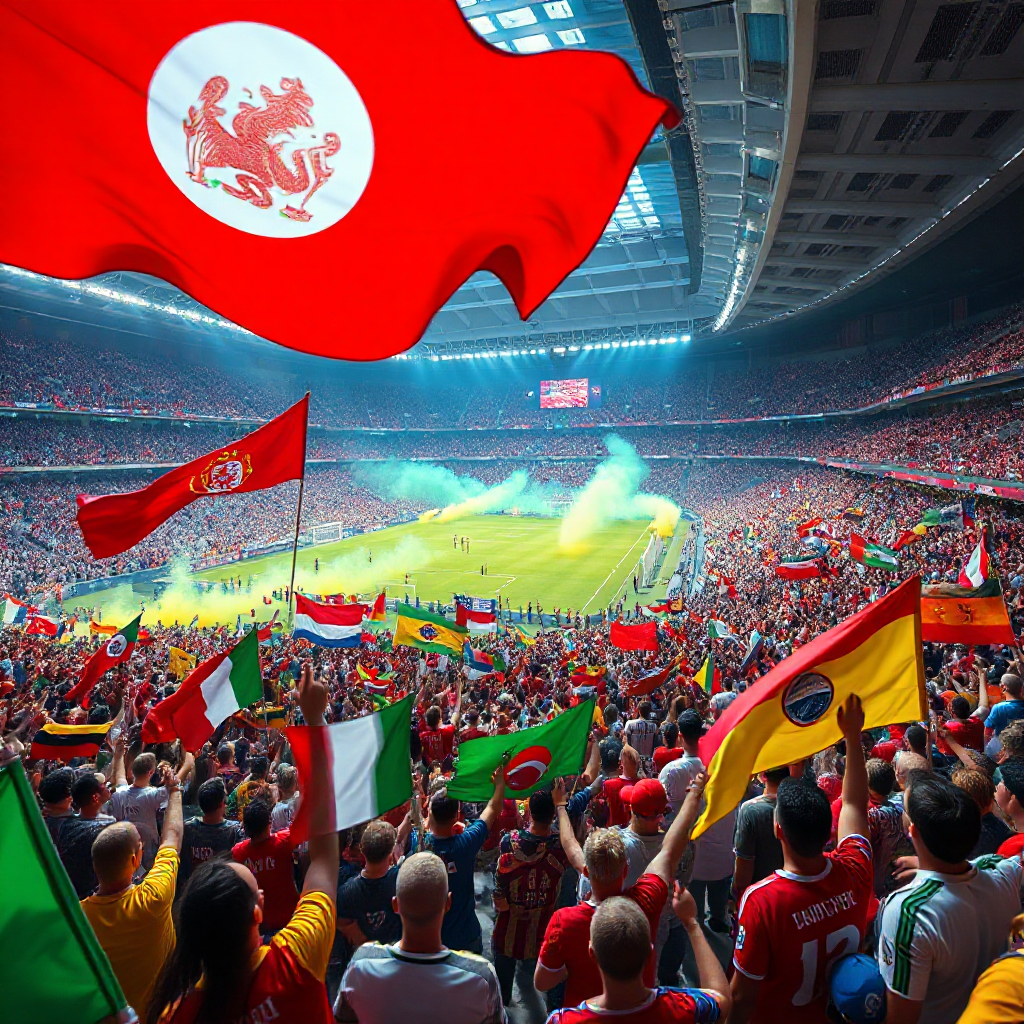
Supporter forums and regional broadcasting panels have noted the absence of previous volatility. Where earlier campaigns featured sudden momentum swings and emotional rollercoasters, current discussions emphasize consistency and process-oriented appreciation. Matchday attendance patterns reflect renewed confidence, with traveling delegations organizing coordinated visual displays that acknowledge tactical maturity rather than purely celebratory achievements. Media analysts highlight how the organizational culture has shifted from outcome-dependent pressure to performance-tracking metrics. Weekly briefings focus on execution percentages, spatial control, and transition success rates instead of final scorelines.
External observers frequently compare the present methodology to historically successful Portuguese projects that balanced youth development with European competitiveness. Independent statistical platforms corroborate these assessments, showing improved expected threat values during final-third entries. Betting markets and professional forecasting models continue to adjust projections upward based on observable trend lines rather than reputation alone. For readers tracking broader industry shifts, additional reference materials regarding sports analytics frameworks can be found at tg88. The convergence of traditional scouting expertise and modern data interpretation has created a feedback loop that accelerates tactical refinement throughout the calendar year.

Upcoming Fixtures and Strategic Milestones
The schedule ahead presents a mix of home advantage scenarios and demanding away environments. Domestic league commitments will test rotational depth, while continental matchups require precise energy allocation. Coaches typically align pre-match preparations around opponent-specific weaknesses identified through video analysis weeks prior. Travel logistics, climate variations, and referee tendencies factor into game-day briefings. Managers emphasize situational awareness over rigid prescriptions, allowing captains to adjust communication styles based on match tempo.
Knockout stage implications loom larger as group standings clarify. Advancement pathways depend on maintaining current efficiency levels while preparing for heightened defensive organization from residual opponents. Historical precedent suggests that teams entering later stages benefit most from accumulated minute diversity and psychological stability. The infrastructure supporting athlete readiness positions the organization to handle compressed windows effectively. Preparation cycles will intensify, focusing on set-piece contingency planning and emergency substitution protocols.
Key Risks to Monitor Going Forward
Despite the positive trajectory, several variables warrant careful attention as the campaign progresses. Fixture congestion remains the primary vulnerability, particularly when domestic cup competitions intersect with continental tie schedules. Cumulative muscle fatigue can emerge subtly, affecting acceleration capabilities and decision-making speed during final third entries. Refereeing standards may shift between associations, introducing stricter interpretations of tactical fouls or push-and-shove encounters that disrupt flow. Opposing teams will inevitably study recorded footage, adjusting marking assignments to neutralize inverted movements and overloaded zones.
- Recovery window compression between Thursday night matches and Sunday league obligations
- Weather condition variations impacting pitch speed and ball behavior during away fixtures
- Increased market interest potentially triggering transfer speculation that affects locker room focus
- Adaptive tactical setups from seasoned European competitors exploiting familiar patterns
Athlete availability requires continuous monitoring. Minor knocks that appear insignificant initially can escalate if load management protocols are not strictly enforced. Coaching staff must balance competitive demands with physiological preservation, especially during international break interruptions. Administrative transparency regarding medical updates helps maintain trust among stakeholders while preventing misinformation cycles. Risk mitigation centers on proactive communication, flexible training block adjustments, and contingency roster activation when predictive models indicate elevated strain probabilities.
Frequently Asked Questions
How does the current European performance differ from previous seasons?
Past campaigns frequently relied on high-intensity pressing that led to rapid early gains but inconsistent sustainment. The present structure emphasizes controlled territorial acquisition, lower-risk buildup phases, and adaptive defensive spacing. These modifications reduce turnover exposure while preserving offensive creativity.
What role does youth development play in the current European success?
Academy graduates provide foundational technical alignment with senior systems. Gradual integration allows younger athletes to absorb tactical vocabulary before assuming starting responsibilities. Their energy levels and recovery capacity supplement experienced professionals during congested periods.
Are there concerns regarding upcoming travel schedules?
Cross-border fixtures require adjusted hydration strategies and sleep cycle management. Medical teams collaborate with transport coordinators to minimize circadian disruption. Training loads decrease appropriately during transit days to preserve neuromuscular function.
How do analysts measure progress beyond win-loss records?
Performance indicators focus on spatial control percentages, progressive pass completion, defensive intervention timing, and transition efficiency. These metrics predict sustainable success better than isolated match outcomes. Further reference: https://tg88good.org/.