


Star Winger Refuses to Train Amid Transfer Dispute: What to Verify Before Trusting the Headline
Star Winger Refuses to Train Amid Transfer Dispute: What to Verify Before Trusting the Headline
Three findings stand out when a report circulates that a star winger has refused to train during a transfer dispute.
- The story feeds on a familiar media pattern: a talented player, a stalled negotiation, and one act of defiance.
- The key evidence in most versions is not a club statement but an anonymous claim from «sources close to the situation.»
- By the time the story reaches betting-oriented portals, the line between breaking news and engagement bait is blurred.
That is not a reason to dismiss the story entirely, but it is a reason to slow down. In this review, I will examine the claims typically attached to such reports, give you a step-by-step verification process, and explain how a transfer dispute narrative should and should not influence your decisions at a sportsbook.
Why a Transfer Dispute Story Spreads So Fast
Transfer windows are emotional periods. Supporters want to see the club strengthen, agents leak information to test the market, and the media amplify every statement into a headline. When a player refuses to train, the story gains a layer of drama: it is visual, unusual, and easy to frame as a conflict between loyalty, money, and ego.
That is exactly why such stories get repeated across aggregators and sports platforms. A headline about a winger skipping training performs better than a headline about contract clauses. On a platform like UU88, the story may sit alongside odds and betting markets, which changes the way you should read it.
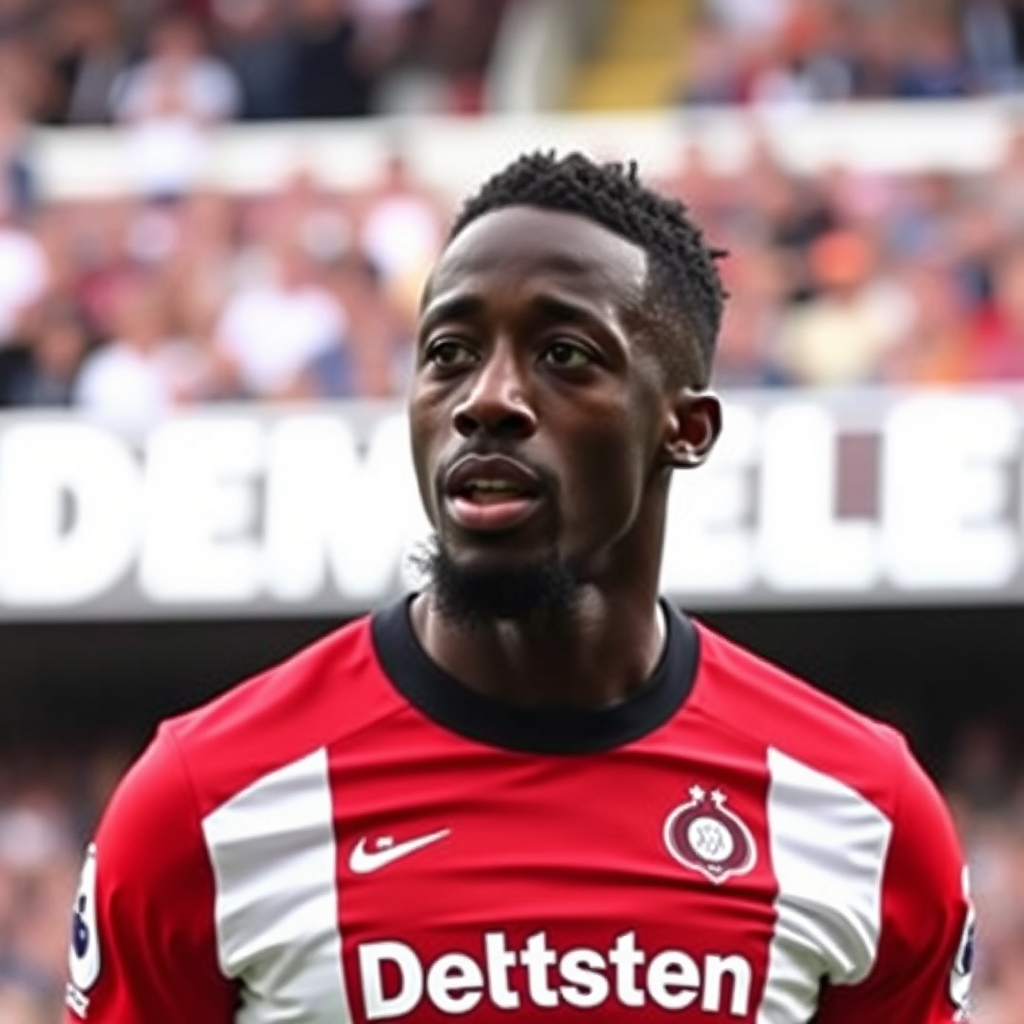 Hình minh hoạ: UU88
The Claim Is Not the Event
Reports of this kind usually bundle several separate claims into one headline:
- The player missed a scheduled training session.
- The absence was a deliberate act of protest.
- The dispute is tied to a transfer bid.
- The club is considering disciplinary action.
Each claim requires different evidence. A missed session can be explained by illness, family matters, or a club decision to let the player train individually while negotiations continue. A deliberate refusal depends on intention, which is harder to prove. The transfer link is often pure speculation, and the disciplinary action may never materialize.
When a headline says «the player refused to train,» it often means «the player was absent» and the author has assumed the motive. If you follow sports news to make informed betting decisions, that difference is crucial. A player who is out for a minor knock is not the same as a player in open conflict with the manager.

A Step-by-Step Plan for Verifying the Story
You do not need to become a journalist to check a transfer rumor. You need a routine. These steps work for transfer disputes and for most sports speculation:
- Find the first source. Which outlet originally reported the refusal? Is it a mainstream sports media brand with a verification process, or a low-traffic site that copies others?
- Look for official club communication. Clubs often stay silent during negotiations, but a major controversy usually produces a statement. The absence of one is not proof, but it is useful information.
- Check the player’s own channels. A photo from the training ground, a like on a fan comment, or a cryptic post counts as weak evidence. Several small signals together can still create a clearer picture.
- Compare three independent sources. If every article rewrites the same original text, you have one source, not three. Look for new details: named reporters, quotes, timestamps.
- Notice the date and time. A story published late on a Friday can dominate the conversation for a full weekend before the club responds.
Here is a compact checklist I apply before taking any similar report seriously:
| Claim | What to look for | Red flag |
|---|---|---|
| Player missed training | A specific date, session, and venue | «According to reports» with no date |
| Refusal was intentional | Quotes from the player, agent, or manager | Only anonymous sources |
| Linked to a transfer offer | Club-to-club contact confirmed by either side | The fee is always «reportedly» |
| Disciplinary action | Official club or league statement | «Could be fined» or «expected to be suspended» |

How Transfer Drama Becomes Betting Content
A sportsbook does not have to remain neutral about the news it presents. Platforms that generate traffic from transfer speculation have a commercial interest in making the story feel urgent and dramatic because urgency drives clicks, and clicks sometimes become bets. That does not mean every article is dishonest. It means the editorial incentives differ from those of a news organization with a strict fact-checking process.
This is easy to see in the sports section of an entertainment platform. When you enter a section such as THỂ THAO UU88, a headline about an unhappy player leads quickly to markets on his next club, departure timing, or appearances. The story is not just coverage; it is also a product. You should ask whether the article is explaining what happened or showing you what you can bet on. The two are not mutually exclusive, but they require different levels of caution.

Key Risks of Acting on an Unverified Rumor
The main danger is not that you miss a transfer story. It is that you act before the story is confirmed.
| Risk category | How it manifests | Practical countermeasure |
|---|---|---|
| Narrative risk | You accept «refusal» without evidence | Demand named sources |
| Timing risk | You base a bet on outdated information | Re-check the report before kickoff |
| Emotional risk | You bet with the story, not the odds | Set a bankroll limit in advance |
| Amplification risk | Many outlets repeat one false claim | Wait for an official club statement |
There is also a quieter risk: confirmation bias. If you want the winger to join a certain club, you will read the refusal as proof that the move is close. In reality, a transfer depends on contracts, fees, and medical tests. A training ground protest, if it happened, is only a pressure tactic. It does not complete a deal.
Frequently Asked Questions
Is refusing to train a breach of contract?
It depends on the contract and the jurisdiction of the football league. Many clubs treat it as a disciplinary matter, while player unions argue that context matters. There is no universal answer, so check the relevant league rules before accepting claims about fines or suspensions.
Why do betting platforms cover transfer disputes at all?
Because the drama attracts visitors. A story about a player in conflict generates attention, and attention can lead to engagement with the sportsbook. That commercial logic is understandable, but it means readers should separate entertainment content from confirmed facts.
Should I bet on a player’s next club while the dispute is unresolved?
Only if you understand how fragile the information is. Odds can swing on one unnamed source, and the market may be moving before any official confirmation. Keep stakes small, never chase a sense of certainty, and treat the bet as entertainment with real financial risk.
The Main Risks to Remember
The story of the star winger will eventually resolve. He will move, stay, or sign a new contract. The headlines you read today will either be confirmed or quietly forgotten. But the habit of verifying before reacting will serve you in every future transfer window.
As you leave this page, keep these risks in mind:
- An unattributed claim about refusing to train is an allegation, not a fact.
- The platform showing you the story may also profit when you place a bet.
- Official club statements and the player’s own words outweigh «sources close to the player.»
- Never wager money you cannot afford to lose on a rumor’s temporary excitement.
Follow those rules and you can enjoy the transfer drama without being controlled by it. There will be more headlines before the window closes. Let verified information move your decisions, and leave the rest in the rumor mill where it belongs.